Most people believe that healthy eating requires constant hunger and willpower. The reality is far more empowering: sustainable wellness comes from choosing nutrient-dense foods that nourish your body — not from counting calories or skipping meals.
Understanding Smart Nutrition
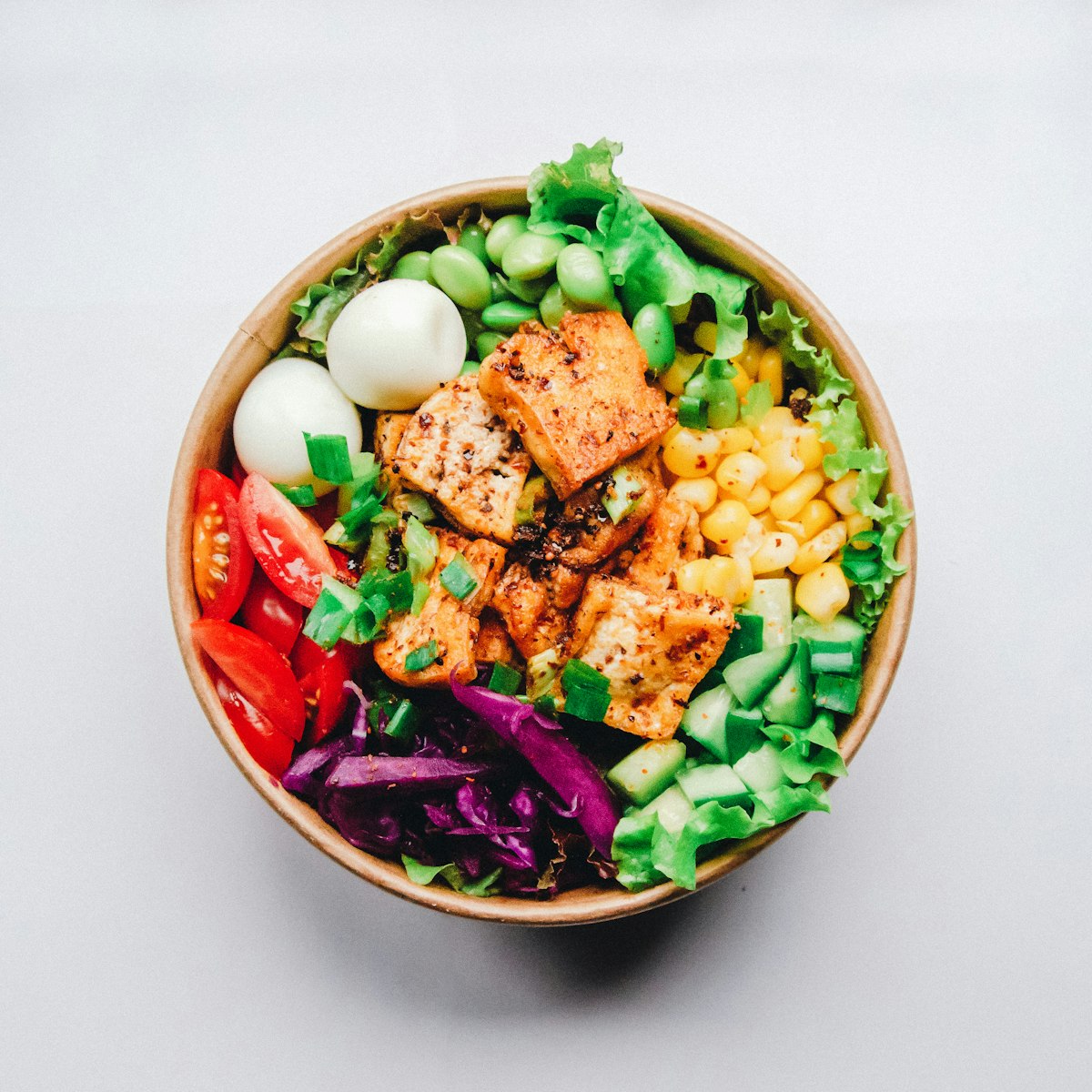
Intelligent eating focuses on nutrient density — the concentration of vitamins, minerals, and beneficial compounds per calorie. Rather than restricting portions, we optimize the nutritional value of every bite.
Essential Nutrient Categories
Build your meals around these foundational elements:
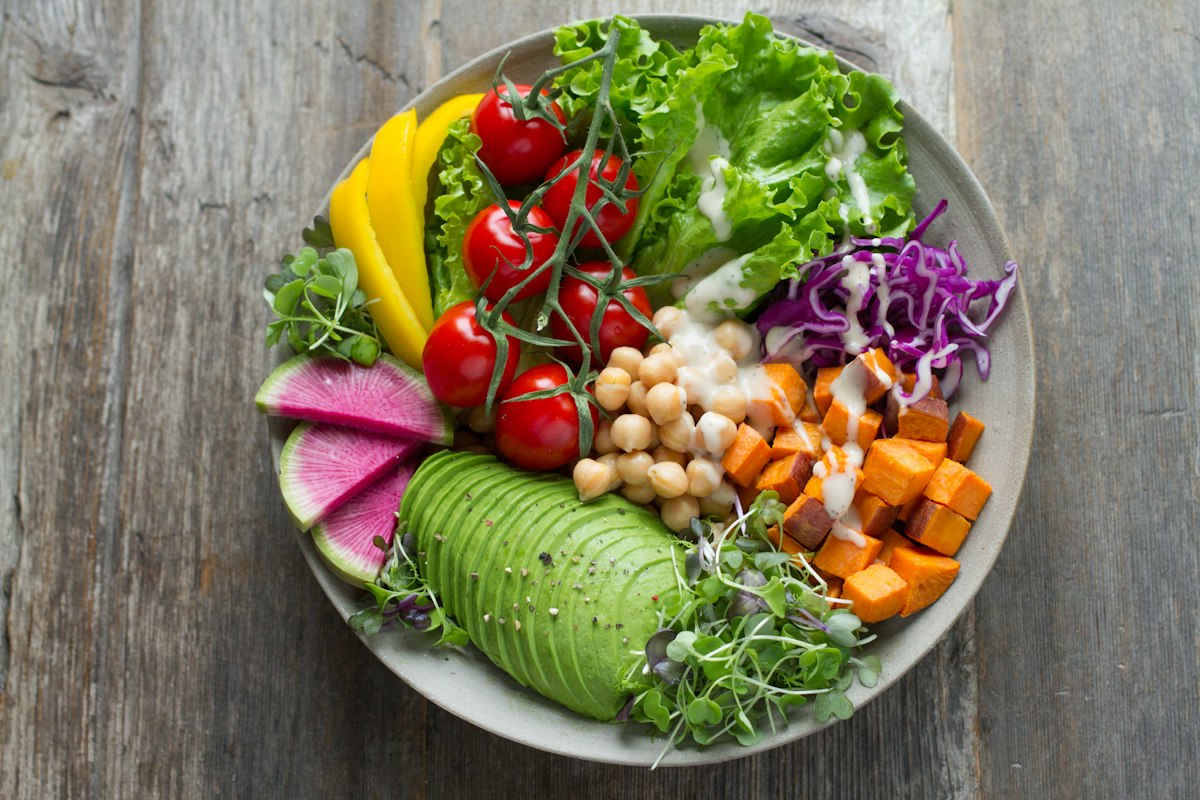
- Quality Protein: Eggs, poultry, fish, legumes, and plant-based alternatives support muscle maintenance and metabolic health
- Healthy Fats: Avocados, nuts, seeds, and olive oil provide essential fatty acids and promote satiety
- Complex Carbohydrates: Whole grains, vegetables, and fruits deliver sustained energy and fiber
The Science of Regular Eating
Skipping meals triggers a stress response, elevating cortisol levels and often resulting in compensatory overeating. Consistent, balanced meals maintain stable blood glucose and support cognitive function throughout the day.
Building the Perfect Plate
The ideal meal composition follows a simple visual framework:
50% Vegetables
Leafy greens, cruciferous vegetables, colorful produce
25% Protein
Lean meats, fish, tofu, or legumes
25% Carbs
Whole grains, starchy vegetables, or fruit
Hydration: The Overlooked Foundation
Mild dehydration often masquerades as hunger. Maintaining adequate fluid intake supports cellular function, digestion, and energy metabolism. Aim for consistent water consumption throughout the day rather than large volumes at once.
Psychological Sustainability
True dietary success requires psychological flexibility. Eliminating favorite foods entirely typically leads to rebound eating. Instead, practice the 80/20 principle: nutrient-dense choices 80% of the time, with room for enjoyment 20% of the time.
Frequently Asked Questions
Is skipping meals unhealthy?
Skipping meals may lead to low energy, overeating later, and unstable blood sugar levels.
What are nutrient-dense foods?
Nutrient-dense foods provide high amounts of vitamins, minerals, and fiber relative to their calorie content.
How much water should I drink daily?
Hydration needs vary, but many adults benefit from consistent water intake throughout the day.